

Często wydajemy tysiące na idealny klimatyzator, skupiając się na mocy i oszczędności energii. Ale jak często myślisz o metalowym elemencie, który go podtrzymuje?
Wspornik klimatyzatora jest cichym bohaterem systemu HVAC. Znajduje się na zewnątrz, narażony na działanie palącego upału i ulewnych deszczy Malezji, podtrzymując ciężką, wibrującą maszynę na wysokości 6 metrów. Jeśli ten wspornik ulegnie awarii, koszty znacznie przekroczą wartość zepsutego klimatyzatora — stanie się to poważnym zagrożeniem dla bezpieczeństwa.
W niniejszym przewodniku wyjaśniono, dlaczego “tanie” wsporniki są niebezpieczne i w jaki sposób zintegrowana konstrukcja bezspawowa firmy Maco zmienia standardy bezpieczeństwa w malezyjskich domach.
Spis treści
Ukryte zagrożenia związane z niską jakością uchwytów
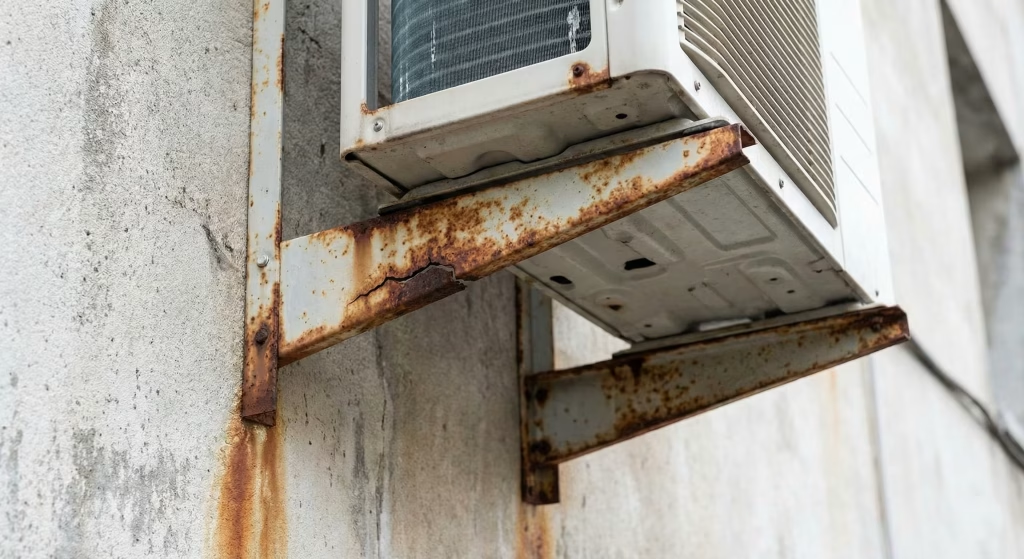
Dlaczego aparaty ortodontyczne zawodzą? Zazwyczaj wynika to z dwóch powodów: słabe materiały i nieprawidłowe spawanie. Wybierając uchwyt niskiej jakości, narażasz się na trzy poważne zagrożenia:
- Zagrożenia bezpieczeństwa: Zardzewiały lub pęknięty wspornik może spowodować upadek urządzenia. W wieżowcach lub na ruchliwych chodnikach stwarza to poważne ryzyko obrażeń dla osób znajdujących się poniżej.
- Kosztowne uszkodzenia jednostki: Nawet jeśli nie spadnie całkowicie, chwiejny wspornik może uszkodzić wewnętrzne miedziane rury i sprężarkę klimatyzatora.
- Wyższe rachunki za prąd: Niestabilne urządzenie nadmiernie wibruje. Powoduje to nie tylko zanieczyszczenie hałasem, ale także zmusza system do cięższej pracy, zmniejszając wydajność chłodzenia i zwiększając miesięczne zużycie energii.
Rewolucja “Zero Welding”: czym jest i dlaczego jest potrzebna
Tradycyjne wsporniki są często wykonywane poprzez zespawanie kilku elementów metalowych. W wilgotnym klimacie Malezji te spawane połączenia są pierwszymi miejscami, w których pojawia się rdza. Rdza “zżera” spoinę, tworząc słaby punkt, który ostatecznie pęka.
Maco rozwiązało ten problem dzięki zintegrowanej konstrukcji bezspoinowej.
Zamiast spawać części, firma Maco produkuje wspornik jako pojedynczą, solidną, zintegrowaną całość.
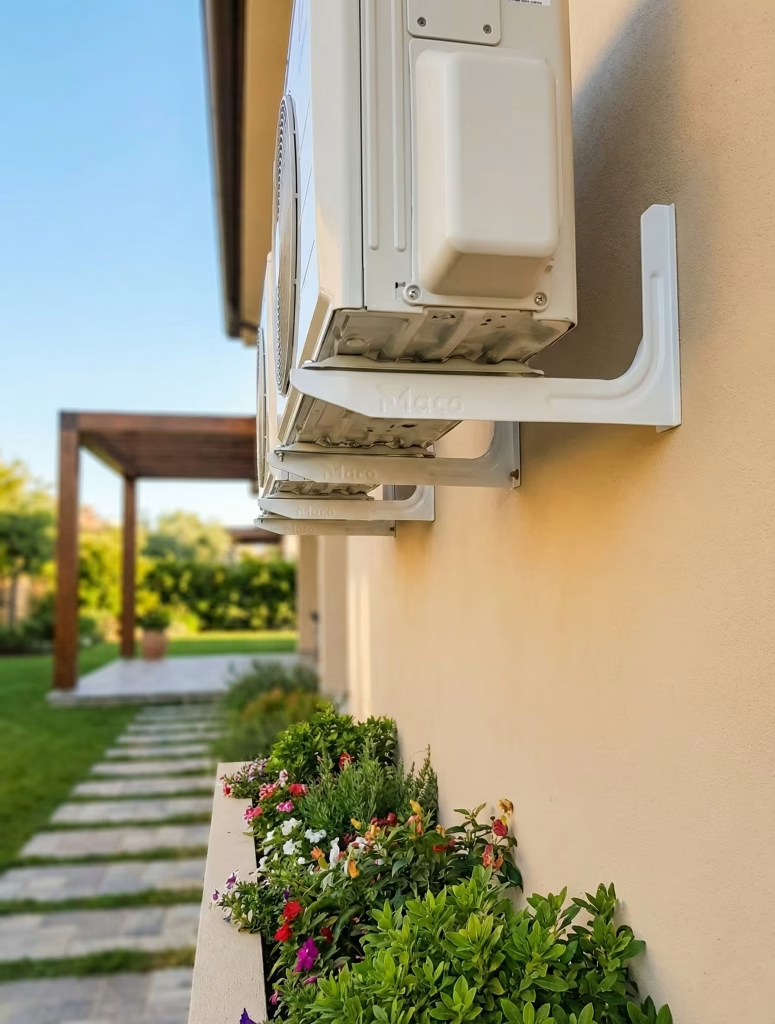
- Brak słabych punktów: Bez spoin nie ma szwów, które mogłyby pękać lub przedwcześnie rdzewieć.
- Zwiększona trwałość: Integralność strukturalna jest zachowana w całym wsporniku.
- Łatwa instalacja: Instalatorzy preferują ten produkt, ponieważ nie ma obawy o pęknięcie połączenia podczas montażu.
Jak wybrać niezawodny wspornik klimatyzatora
Przed zatwierdzeniem instalacji kolejnego klimatyzatora należy sprawdzić wspornik pod kątem następujących czynników:
1. Jakość materiału (stal nierdzewna a powlekana)
Zawsze proś o materiały odporne na korozję. Stal nierdzewna (SUS304) jest złotym standardem trwałości na zewnątrz. Jeśli masz ograniczony budżet, upewnij się, że stal miękka jest Cynkowane ogniowo lub Wysokiej jakości powłoka proszkowa, specjalnie zaprojektowany do użytku na zewnątrz w każdych warunkach pogodowych.
2. Nośność
Nigdy nie zgaduj. Sprawdź nośność podaną przez producenta. Urządzenie o mocy 2,5 KM wymaga znacznie mocniejszego wspornika niż urządzenie o mocy 1,0 KM. Wiarygodni producenci, tacy jak Maco, podają dokładną nośność, uwzględniając obciążenie dynamiczne (wibracje) urządzenia pracującego z pełną prędkością.
3. Kompatybilność
Czy uchwyt pasuje? Uniwersalne uchwyty są świetne, ale należy dokładnie sprawdzić długość ramienia. Jeśli ramię jest zbyt krótkie, urządzenie nie będzie miało wystarczającej odległości od ściany, aby zapewnić odpowiedni przepływ powietrza, co może spowodować przegrzanie urządzenia.
Jak rozpoznać złe wsporniki
- Kruche wrażenie: Jeśli metal łatwo ugina się pod naciskiem dłoni, nie należy go używać.
- Niechlujne spoiny: Poszukaj “plam” metalu lub nierównych szwów na połączeniach.
- Brak znaku towarowego/certyfikatu: Niezawodny sprzęt bezpieczeństwa zawsze posiada znak firmowy lub znak certyfikacyjny. Nieoznakowane “generyczne” wsporniki często nie przechodzą testów kontroli jakości.
Wskazówki dotyczące instalacji dla właścicieli domów
Nawet najlepszy wspornik zawodzi, jeśli jest źle zamontowany.
- Używaj odpowiednich kotwic: Upewnij się, że instalator używa kołków rozporowych (kotew tulejowych) odpowiednich do rodzaju ściany (betonowej lub ceglanej).
- Sprawdź poziom: Wspornik musi być idealnie poziomy. Jeśli jest przechylony, woda może wyciekać z klimatyzatora z powrotem do domu.
- Zacieśnij: Luźne śruby powodują drgania. Drgania powodują hałas i zużycie.
Często zadawane pytania (FAQ)
1. Jaki jest najlepszy materiał na wsporniki klimatyzacji w Malezji?
Stal nierdzewna (SUS304) jest najlepszą opcją ze względu na wysoką wilgotność w Malezji, ponieważ jest odporna na rdzę. Aby wybrać bardziej ekonomiczny wybór, upewnij się, że wybierasz wysokiej jakości wspornik ze stali malowanej proszkowo lub ocynkowanej renomowanej marki, takiej jak Maco.
2. Dlaczego “spawanie zerowe” jest lepsze dla wsporników AC?
Spoiny spawane są często słabymi punktami, w których pojawia się rdza i pęknięcia. Konstrukcja bez spoin (zintegrowana) eliminuje te słabe punkty, dzięki czemu wspornik jest znacznie mocniejszy i mniej podatny na pękanie z upływem czasu.
3. Czy standardowy wspornik może pomieścić klimatyzator 2,5HP?
Nie zawsze. Standardowe wsporniki są często przeznaczone dla mniejszych jednostek (1,0HP - 1,5HP). W przypadku 2,0 KM i więcej należy użyć wspornika “Heavy Duty” o zweryfikowanej nośności, aby poradzić sobie z dodatkowym ciężarem i wibracjami.


